

Content & Copy
Travel. Consumer Goods. Hospitality.
-
![]()
CRUISING
VIVAMAYR, the world’s Leading Medical Spa curates exclusive voyages focused on sun, sea and wellbeing.
-
![]()
BRAND AGENCIES
Award-winning Solid&Bold are storytelling gurus who elevate brands in the DACH region.
-
![]()
ACTIVE TRAVEL
America’s first bike tour company VBT reflects my copy for “discovery-driven” travel via exciting new destinations.
-
![]()
WELLNESS
Pyramids in Florida is a village built around a thermal water source with the energizing experience of sleeping in a pyramid.
-
![]()
LUXURY HOTELS
Austrian hotels like Burg Hotel are masters at blending tradition with modern innovations.
-
![]()
PREMIUM EYEWEAR
Pioneers of optical fashion since 1964. Silhouette leads the way in high fashion and green technology.
-
![]()
FOOD
From slope-side oysters to 800 years of Imperial Hospitality in Salzburg. Culinary innovators butter my biscuit.
-
![]()
NATURAL SKINCARE
PRIMAVERA is a world leader in premium, all-natural aromatherapeutic skin care made with essential oils.





The BARE Truth About Alpine Saunas
Why Germans leave their swimsuits at the door — and what Americans can’t do about it.
Wait. Everyone's Naked?
You've just spent the morning hiking in the Alps. Back at the hotel, you slip into a plush bathrobe and explore the massive spa wing. The saunas look very inviting: warm timber, dim lighting, misty glass doors leading to herb-infused worlds, panoramic windows framing snow-dusted peaks.
Then you notice the sign: Textile-free zone. “Ummm, so, how’s this going to work?” At this point, (for most Americans) panic strikes!
Welcome to one of the great cultural surprises awaiting you. Here, leaving your clothes off in the sauna is as normal as taking off your shoes at the door.
And yes, men and women share the same steamy spaces.
Before retreating to the pool, there's something worth knowing about this distinctly Germanic custom.
How to Wear Your Adam & Eve Costume with Pride
For many Americans, we connect nudity with intimacy, vulnerability, and the awkward locker-room encounter. In European sauna culture, a naked body is only that — a body and not something to be ashamed of.
The emphasis is on relaxation — but also invigoration when you add the snow shower or cold plunge.
There's also a practical reason for leaving swimsuits behind. Sauna etiquette favors bare skin for both comfort and hygiene. So, always place a towel beneath your entire body to keep perspiration off shared surfaces.
Once you understand zee rules, the “Schwitzen” starts to work its magic.
E-Commerce, Landing Pages, Email, PR Texts,Travel Writing, Blogs, Newsletters, Consumer Packaging, Catalog & Web
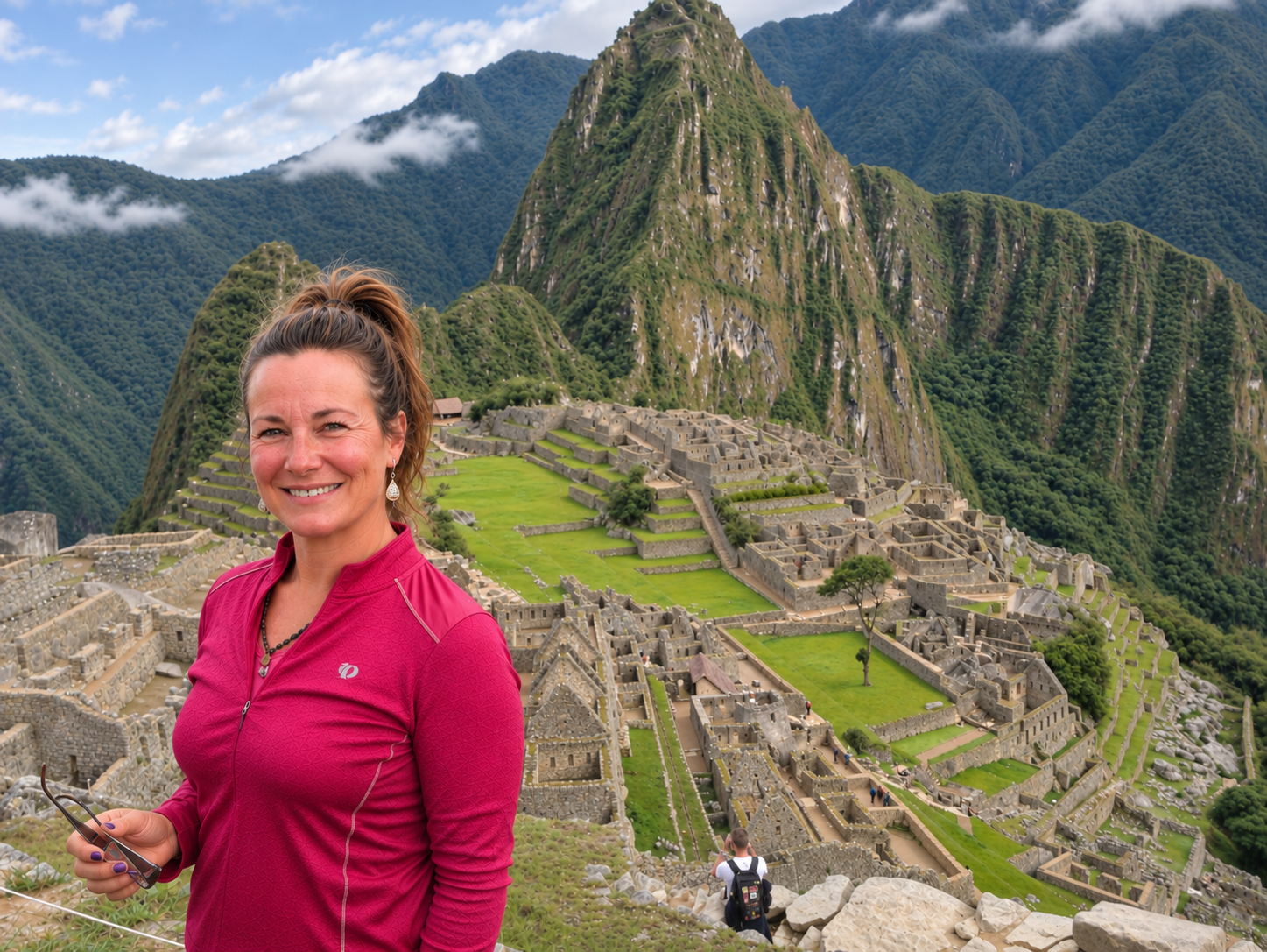
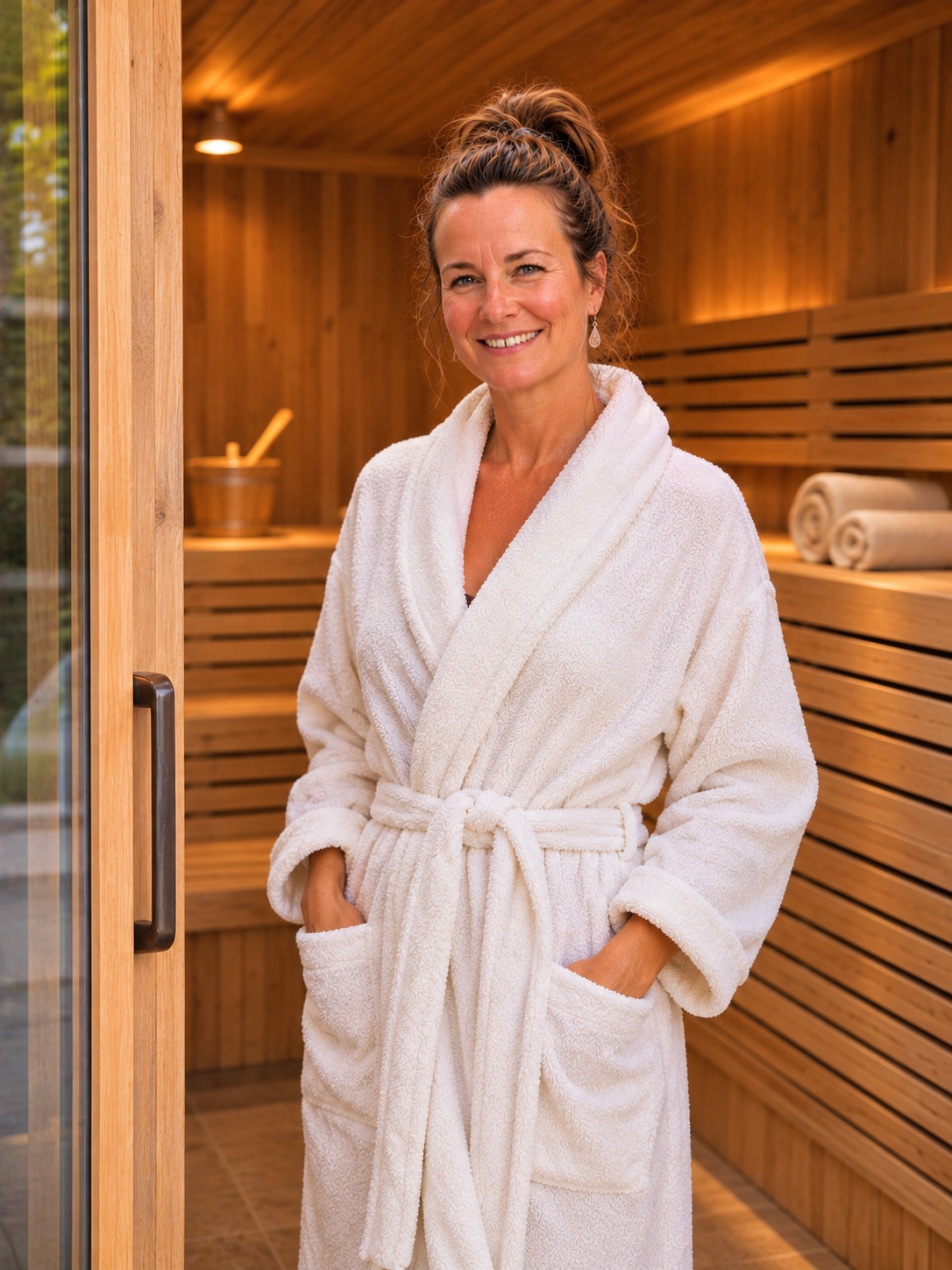



What’s trending at the legendary Burg Hotel in Lech, Austria?
A lifestyle leader in luxury hospitality CONTENT

Before Bullet Trains, Only Footsteps
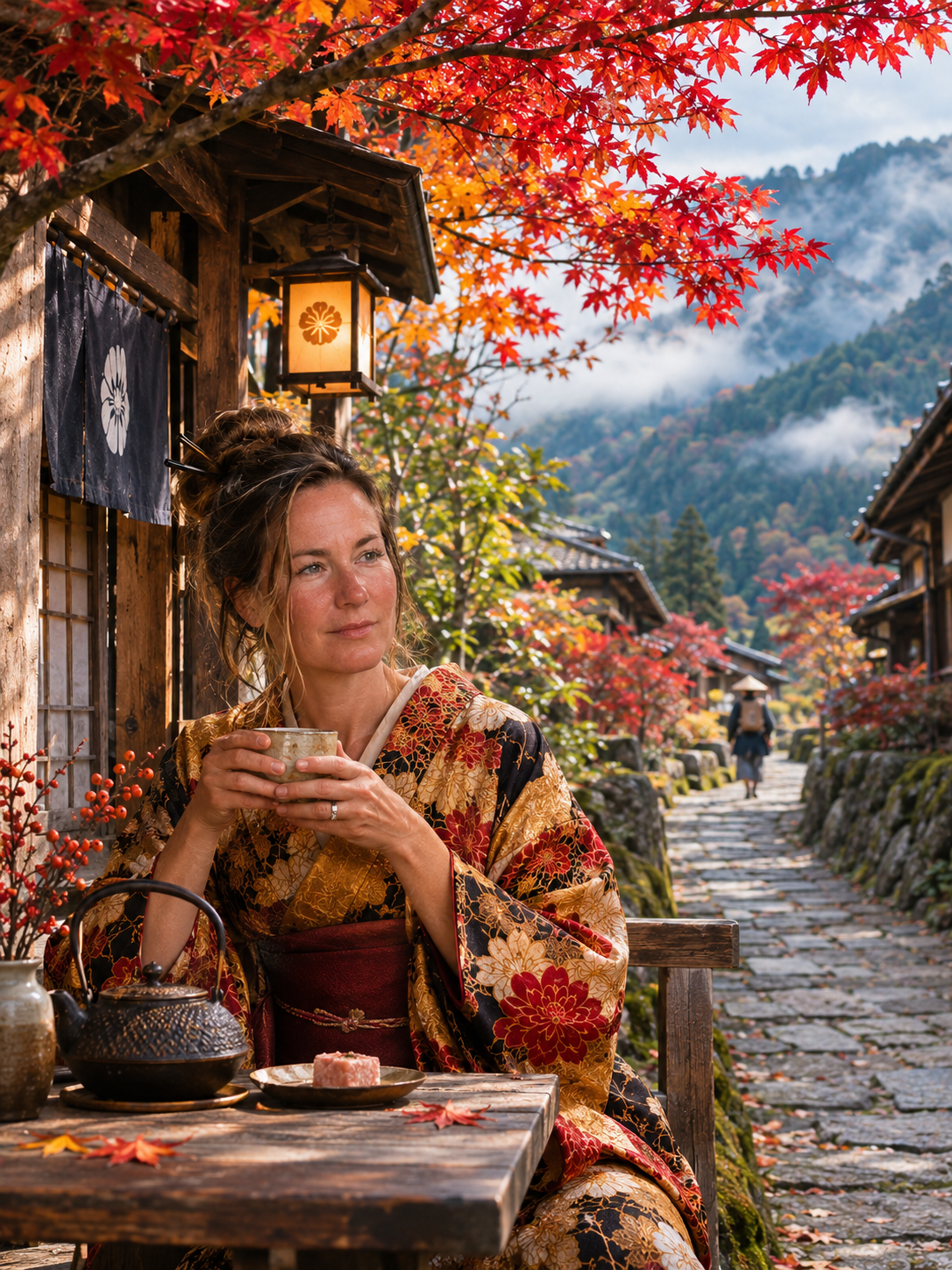
Traveling Slowly is the Best Way to Feel a Place like Japan
Autumn brings a special feeling to the Nakasendo Trail.
As the summer heat fades and the tourists retreat, the air turns crisp and brilliant colors light up the Kiso Valley. Japanese maple leaves ride waves of crimson as golden ginkgos illuminate temple grounds. Hanging beneath farmhouse eves are persimmons plump as orange lanterns.
The scent of cedar forests and wood smoke drift through these cooler mornings.
The whisper of bamboo forests and distant temple bells replace the sounds of the city before you boarded the Shinkansen bullet train that whisked you here.
This is the Nakasendō Trail, and it’s best explored slowly on foot.
Walking Japan's Historic Nakasendō Trail
Long before the Shinkansen train sped travelers between Japan's great cities, the Nakasendō connected Kyoto and Edo (modern-day Tokyo) by way of the mountains. Stretching more than 330 miles, this historic highway carried samurai, merchants, pilgrims, and government officials through central Japan.
Along the way, a network of post towns offered food, lodging, and a welcome respite from the road. Today, stretches of the original route still wind through cedar forests and beautifully preserved villages, where wooden inns, stone pathways, and traditional architecture recall the days when every journey was made on foot.
Crisp Air, Hot Baths, and Another Cup of Sake
Cool autumn days are made for walking, followed by long soaks in steaming hot springs baths and evenings at traditional ryokan inns where dinner is an event.
Autumn's harvest of apples, chestnuts, mushroom and root vegetables take center stage with a succession of exquisite little dishes that appear at dinnertime. Delicate broths, handmade soba, river fish, and regional specialties arrive in beautiful ceramic bowls and lacquerware. And don’t forget the warm sake …
Follow the story at Boundless Journeys





Video Scripts
Silhouette needed a story celebrating 60 years of pioneering design, material innovation, and sustainable manufacturing from the world’s only independent eyewear company.

Fresh. Creative. Artisanal.
Sharp, distinctive copy that makes brands impossible to ignore
A bold, unmistakable voice backed by SEO intelligence
Creative storytelling with commercial purpose and measurable impact
